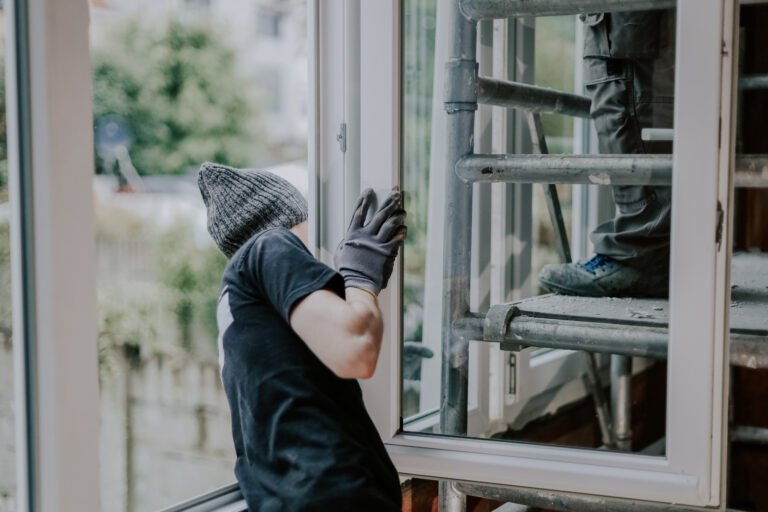
Understanding the Custom Home Building Process
The custom home building process involves several key stages, from initial planning and design to construction and final touches. Each stage is crucial to ensure that the final product meets the homeowner's expectations and requirements.
Typically, the process begins with consultations to establish the homeowner's vision, followed by architectural design, obtaining permits, and selecting materials. Each phase requires careful consideration and coordination among various professionals, including architects, builders, and landscapers, to achieve a cohesive outcome.
Importance of Landscaping in Custom Home Design
Landscaping plays a pivotal role in enhancing the aesthetic appeal and functionality of custom homes. A well-designed landscape complements the architecture and can significantly increase property value, making it an essential aspect of home building.
Incorporating elements such as gardens, patios, and outdoor lighting not only beautifies the property but also creates inviting outdoor spaces for relaxation and entertainment. Additionally, landscaping can improve energy efficiency by strategically placing trees and shrubs to provide shade and reduce heating costs.
Final Touches: Enhancing Your Custom Home
The final touches in a custom home build are critical for personalizing the space and ensuring it reflects the homeowner's style. These finishing elements can range from interior design choices to exterior details that complete the overall look of the home.
Examples of final touches include selecting paint colors, choosing fixtures, and adding decorative elements like moldings and landscaping features. These details not only enhance the visual appeal but also contribute to the home's comfort and functionality.
Common Challenges in Custom Home Building
Building a custom home can come with various challenges, including budget constraints, timeline delays, and unexpected design changes. Being aware of these potential issues can help homeowners prepare and navigate the process more effectively.
For instance, fluctuating material costs can impact the overall budget, while weather conditions may delay construction timelines. Engaging with experienced builders and maintaining open communication can mitigate these challenges and lead to a smoother building experience.