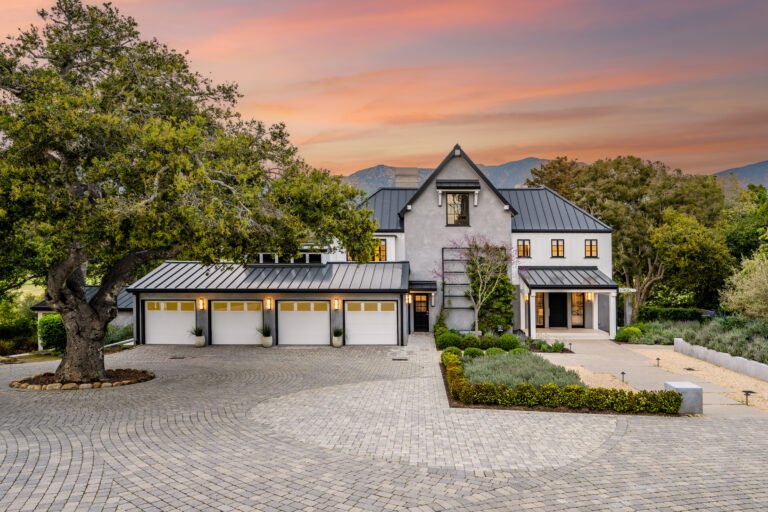
Key Factors in Choosing a Location for Your Custom Home
When selecting a location for your custom home, several key factors must be considered to ensure the site meets your needs and lifestyle. These factors include proximity to schools, work, and amenities, as well as the overall safety and community vibe of the area.
For instance, families may prioritize neighborhoods with reputable schools and parks, while professionals might seek areas with easy access to major highways or public transportation. Additionally, evaluating the local real estate market can provide insights into future property values, ensuring your investment grows over time.
Understanding Zoning Laws and Regulations
Before committing to a site for your custom home, it's essential to familiarize yourself with local zoning laws and regulations. These rules dictate what can be built and how properties can be used, impacting your design and construction options.
For example, some areas may have restrictions on building height or the types of structures allowed, which could affect your dream home plans. Consulting with local authorities or a knowledgeable builder can provide clarity and help you navigate these regulations effectively.
Evaluating Infrastructure and Utilities
The availability of essential infrastructure and utilities is a critical consideration when selecting a site for your custom home. Access to water, electricity, sewage systems, and internet connectivity can significantly influence your living experience.
For instance, homes in rural areas may require additional investments in well drilling or septic systems, while urban locations typically offer established utility services. Assessing these factors early in the planning process can save you time and money later on.
Assessing Environmental Factors and Site Conditions
Environmental factors and site conditions play a vital role in the long-term satisfaction of your custom home. This includes evaluating the land's topography, soil quality, and susceptibility to natural disasters such as floods or earthquakes.
For example, a site with poor drainage may lead to water issues, while a location prone to wildfires might require specific building materials and designs. Conducting a thorough site analysis can help you make informed decisions and ensure your home is safe and sustainable.